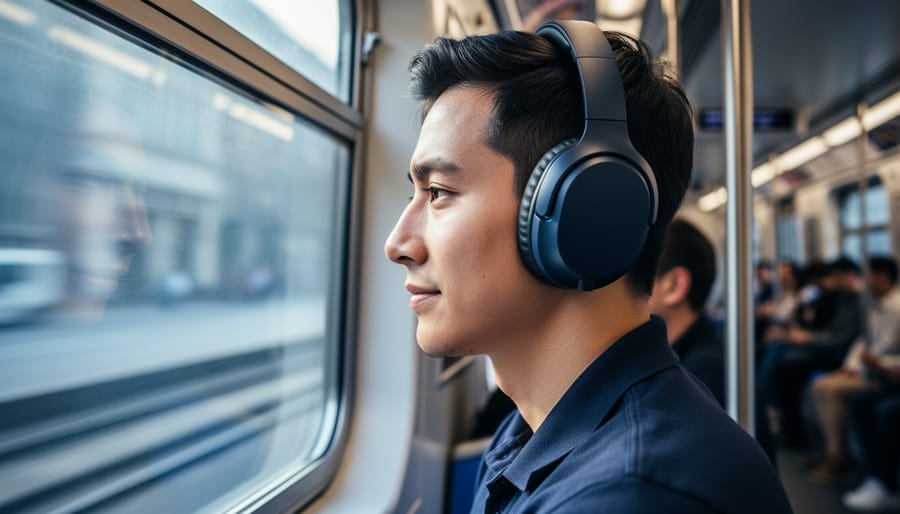
Sound-isolating headphones block external noise using physical barriers like thick ear cushions, tight seals, and closed-back designs, delivering passive noise reduction of 15 to 30 decibels without batteries or electronics. Unlike active noise-cancelling models that generate inverse sound waves, isolation works purely through materials that prevent sound from reaching your ears, making them reliable, affordable, and perfect for appreciating the layered production in indie tracks where every guitar strum and vocal nuance matters.
If you’ve ever tried listening to a delicate indie album on a crowded subway or in a noisy coffee shop, you know the frustration of losing those subtle details to background chatter and rumble. Sound isolation solves that problem mechanically. The best isolating headphones create a physical seal around or inside your ear canal, turning down the volume on the world so you can focus on the music itself.
For indie music fans in 2026, isolation offers something special. Canadian artists like Broken Social Scene and The Constantines craft recordings with intricate arrangements, where a whispered vocal or a quiet drum fill carries emotional weight. When external noise bleeds in, those moments disappear. Good isolation preserves them without the battery anxiety or occasional digital artifacts that can come with active noise cancellation.
This guide walks you through what actually makes headphones isolate sound effectively, the differences between over-ear, on-ear, and in-ear designs, and which models deliver the best balance of isolation, comfort, and audio quality for your budget. You’ll learn the key factors that separate mediocre isolation from true sonic immersion, compare headphone types side by side, get specific recommendations across price ranges, and avoid the common mistakes that leave buyers disappointed. Whether you’re commuting, studying, or just want to disappear into your favorite album, the right isolating headphones transform how you experience music.
Why Sound Isolation Matters for Indie Music
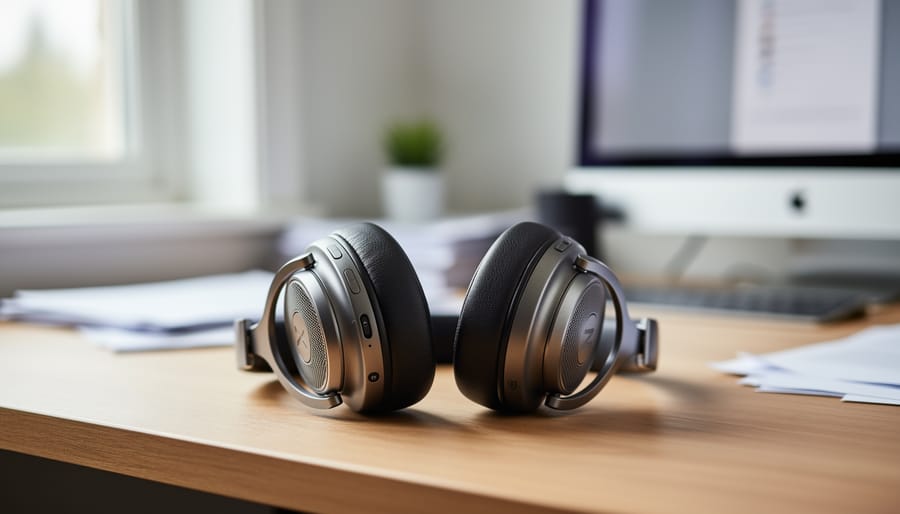
Indie music lives in the details. A whispered harmony buried in the third verse, the room reverb on an acoustic guitar, the subtle tape hiss that gives a lo-fi track its warmth, these are the elements that make indie music feel personal and real. When bus engines, office chatter, or street noise compete for your attention, those details disappear. Sound isolating headphones create the quiet space where you can actually hear what the artist intended.
Consider how many indie tracks rely on dynamic range, moving from barely-there vocals to fuller instrumentation. Canadian artists like Feist or Andy Shauf build entire songs around these volume shifts and textural changes. External noise doesn’t just mask quiet moments, it compresses the whole listening experience into a flattened version where everything fights to be heard over the background. Proper sound isolation preserves that dynamic journey, letting you follow the artist’s emotional arc from intimate verse to cathartic chorus.
The production aesthetics that characterize indie music make isolation even more valuable. Many indie recordings embrace imperfection, the string buzz on a guitar, the breath between vocal phrases, the slightly off-kilter drum pattern that gives a song its human feel. These aren’t flaws; they’re intentional choices that create character and intimacy. But they exist in a narrow frequency range where ambient noise lives. Without isolation, you’re essentially asking your ears to pick out a fingerpicked guitar pattern while someone vacuums in the next room.
This matters particularly when discovering new artists or preparing playlists for your shifts at local venues. You need to hear what makes a track special, what production choices set one artist apart from another. Sound isolation turns listening into active discovery rather than passive background noise.
What to Look for When Buying Sound Isolating Headphones
Fit and Seal Quality
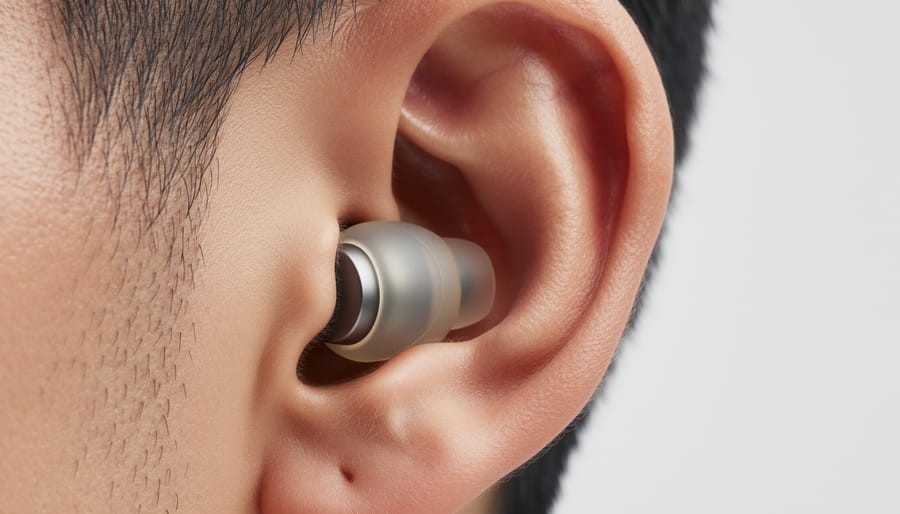
Sound isolation only works if your headphones actually seal against your ears. Even the best headphones fail if ambient noise leaks in through gaps around the ear tips or cups. The fit creates the physical barrier that blocks outside sound from reaching your eardrums.
For in-ear headphones, the right ear tip size makes all the difference. Most come with small, medium, and large tips, try all three. A proper seal feels secure but not painful, and you’ll notice outside noise drops significantly when you insert them. Foam tips compress and expand to fill your ear canal, offering better isolation than silicone for many people. Silicone tips clean easier and last longer, but may require more precise sizing.
Testing your seal is simple: play music at a comfortable volume, then cup your hands over your ears. If the sound doesn’t change much, you’ve got a good seal. If the bass suddenly gets fuller or details become clearer, your current tips aren’t sealing properly.
Over-ear headphones need enough clamping force to press the cushions against your head without causing discomfort. The pads should surround your entire ear, not sit on top of it. Check that glasses, piercings, or hairstyles don’t break the seal, even small gaps let sound leak in and ruin the isolation.
Sound Signature and Balance
Indie music thrives on subtlety, layered vocals, delicate fingerpicking, the rasp of a singer’s breath between lines. You need headphones that reveal these details without exaggerating any part of the frequency spectrum.
Look for balanced mids. Vocals and most acoustic instruments live in the midrange, roughly 250Hz to 4kHz. Headphones that scoop out the mids to create artificial “punch” will bury the lead singer’s voice under the bass and treble. You want clarity here, not coloration.
The highs should be present but not harsh. Crisp cymbals and acoustic guitar shimmer add life to a track, but overly bright headphones turn sibilant “s” sounds into ice picks and make long listening sessions fatiguing. If a thirty-second demo leaves your ears tired, walk away.
Controlled bass matters more than you’d think. Many indie tracks feature upright bass, kick drums mixed low in the background, or no bass at all. Headphones with bloated low-end will drown the guitar in mud and mask the intentional space artists create. You’re after accuracy, not thump.
Test with a familiar indie album before you buy. If you can hear the room tone in a live recording or distinguish each backing vocal layer, you’ve found a sound signature that respects the music.
Passive vs. Active Noise Isolation
Passive isolation relies purely on physical barriers, thick ear pads, tight-fitting ear tips, closed-back designs, that physically block sound waves from reaching your ears. It’s always on, requires no batteries, and works equally well across all frequencies. Over-ear headphones with plush cushions and in-ear monitors with snug silicone tips both achieve this mechanical seal.
Active noise-cancelling adds microphones and processing chips that generate inverse sound waves to cancel incoming noise. This technology excels at eliminating low-frequency rumble, airplane engines, traffic hum, HVAC drones, but struggles with irregular sounds like voices or clattering dishes. It requires power, adds weight and cost, and can introduce a slight pressure sensation some listeners find uncomfortable.
For indie music fans, passive isolation often suffices. It preserves the natural sound signature without electronic processing that might color the mix. Choose active noise-cancelling when you regularly listen in environments with persistent low-frequency noise, long commutes, flights, or loud coffee shops. If you’re mostly listening at home or in quiet spaces, passive isolation delivers excellent results without the complexity or battery anxiety. Many newer models combine both approaches, using passive design as the foundation and activating electronics only when background noise demands it.
Comfort for Long Listening Sessions
Comfort becomes critical when you’re spending hours discovering new Canadian artists, volunteering at a music venue, or preparing for a concert. Lightweight headphones reduce neck strain during marathon listening sessions. Look for models under 300 grams for over-ear designs, or IEMs that disappear once inserted.
Ear pad materials matter more than you’d think. Memory foam conforms to your head shape and distributes pressure evenly, while synthetic leather can get sweaty after an hour. Velour pads breathe better but may compress over time. If you’re working a festival shift or diving deep into a new artist’s discography, test how the headphones feel after 30 minutes, initial comfort often fades.
Clamping force is the hidden culprit behind headaches. Headphones need enough grip to maintain their sound-blocking seal without squeezing your skull. Adjustable headbands help, but the best designs balance security with gentle pressure. For IEMs, silicone tips usually offer more comfort than foam during extended wear, though foam typically seals better. Try multiple tip sizes to find your sweet spot, the right fit shouldn’t cause ear fatigue.
Budget and Value
You don’t need to spend a fortune to get solid sound isolation. Entry-level IEMs in the $30-60 range often deliver surprisingly good passive isolation through well-designed ear tips, perfect if you’re volunteering at music venues on weekends or saving for concert tickets. Mid-range options ($100-200) typically add better driver quality and more comfortable materials, which matters when you’re working through a Canadian indie playlist or prepping for a radio shift. Premium headphones ($300+) justify their cost with superior build quality and refined sound signatures that reveal every layer in lo-fi productions, but honestly, most indie music fans get excellent results in the mid-range. Prioritize proper fit and balanced sound over brand hype. A $150 pair that seals well and matches your listening habits beats $400 headphones with features you won’t use.
Types of Sound Isolating Headphones Compared
In-Ear Monitors (IEMs)
In-ear monitors insert directly into your ear canal, creating a physical seal that blocks outside noise before it reaches your eardrum. This tight seal is what makes IEMs so effective at sound isolation, when fitted properly with the right ear tip size, they can reduce ambient noise by 20-30 decibels without any electronic help.
For indie music fans, this matters because you hear the music, not the bus engine or coffee shop chatter. That delicate fingerpicking on a Broken Social Scene track or the breathy vocals in a Feist song come through cleanly when external sounds aren’t competing for your attention.
IEMs shine for portability. They slip into a pocket, survive being tossed in a bag, and stay put during your commute. If you’re discovering new Canadian artists on your morning train ride or queuing up a playlist between volunteer shifts at a music venue, IEMs deliver serious sound quality in a package that travels easily.
The key is finding ear tips that fit your ears properly. Most IEMs include multiple sizes, try them all. A good seal feels snug but not painful, and when you gently tug the cable, the earpiece shouldn’t pop out. Without that seal, you lose both the isolation and the bass response that makes indie production shine.
Over-Ear Closed-Back Headphones
Over-ear closed-back headphones create sound isolation through full ear cups that form a seal around your entire ear, blocking outside noise with thick padding and solid outer shells. Unlike earbuds that rely on canal insertion, these headphones use circumaural design, the cups surround your ears rather than sitting on or in them, which distributes pressure comfortably while creating a physical barrier against external sound.
The closed-back design means the outer shell has no vents or openings, trapping sound inside and preventing noise from leaking in or out. This makes them ideal for home listening when you need to focus on an album’s production without disturbing roommates, or when you’re working at a music venue and want to preview tracks between volunteer shifts. The larger drivers and enclosed space often deliver better soundstage than in-ears, giving indie recordings more room to breathe, you’ll hear the separation between acoustic guitar and vocals more distinctly.
Comfort becomes crucial during long listening sessions. Quality models use memory foam padding and adjustable headbands that reduce clamping pressure, letting you binge a new Canadian artist’s discography without fatigue. The weight matters too, heavier studio-grade models offer superior isolation and sound quality but can strain your neck after an hour.
These headphones excel when you’re stationary and prioritize audio quality over portability, making them perfect for discovering music at home or getting that studio-level experience without professional gear.
Noise-Cancelling Headphones with Sound Isolation
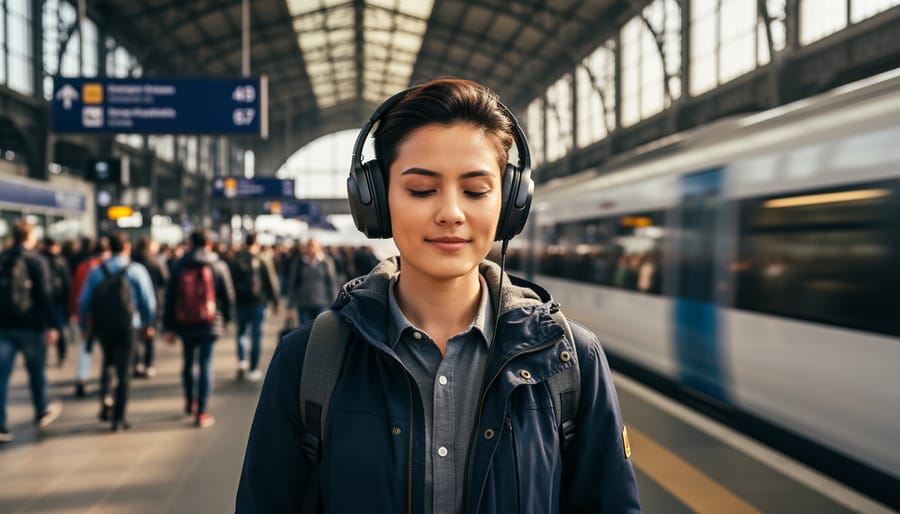
Noise-cancelling headphones combine passive sound isolation with active electronic noise reduction, giving you two layers of protection against the outside world. The physical design, ear cups that seal around your ears or ear tips that fill your canal, blocks high-frequency sounds through basic physics. Then microphones pick up remaining low-frequency noise (engine rumble, HVAC hum, traffic drone) and generate inverse sound waves to cancel it out.
This dual approach shines in specific situations. If you’re commuting on buses or trains, working in coffee shops, or traveling by plane, active noise-cancelling eliminates the constant background drone that passive isolation alone can’t fully stop. That low-end rumble would otherwise force you to turn up your volume, which fatigues your ears and masks the quiet details in indie folk or bedroom pop recordings.
The trade-offs matter. Quality noise-cancelling adds cost, expect to pay more than passive-only models. Battery life becomes a concern since the electronics need power. Some listeners notice a subtle pressure sensation or a faint hiss when ANC is active, though newer models minimize this. The technology also adds weight.
For indie music fans, noise-cancelling makes the most sense if you regularly listen in genuinely noisy environments. If you mostly listen at home or in quiet spaces, you’re paying for features you won’t use. But when you need it, that technology lets you hear every whispered harmony and fingerpicked note exactly as the artist intended, no matter what’s happening around you.
Our Recommendations for Indie Music Listeners
We’ve put together a few solid options that won’t disappoint when you’re diving into the latest Canadian indie release or prepping for a volunteer shift at your local venue. These picks balance quality with real-world budgets, because we know not everyone has unlimited cash to spend on gear.
Entry-Level Options (Under $100)
If you’re just starting out or working within a tight budget, maybe you’re volunteering at festivals or interning at a radio station, the KZ ZSN Pro X IEMs punch way above their price point. They deliver surprising clarity for acoustic guitars and layered vocals, with a detachable cable that makes them last longer than cheaper alternatives. The fit takes some experimenting with the included tips, but once you nail it, the isolation rivals options twice the price.
Another strong contender is the Audio-Technica ATH-M20x. These closed-back over-ears won’t win design awards, but they’re built like tanks and offer honest sound that doesn’t hype or hide what artists intended. Perfect for long listening sessions at home when you’re exploring back catalogues or discovering new acts through the Constantines community.
Mid-Range Choices ($100-$250)
- Etymotic ER2SE: Deep insertion design creates exceptional isolation; brutally honest sound signature reveals every production choice indie artists make
- Beyerdynamic DT 770 Pro (80 ohm): Studio-quality closed-backs with plush comfort; detailed midrange perfect for catching whispered lyrics and finger-picking nuances
- Shure SE215: Reliable workhorses with over-ear cable routing; balanced sound and tough enough for daily commutes or backstage environments
These mid-range picks deliver noticeably better build quality and refinement. The Etymotic ER2SE stands out for sheer isolation, they block nearly everything once properly inserted, making them ideal for noisy transit or crowded venues where you need to focus on the music.
Premium Options ($250+)
When budget allows, the Shure AONIC 4 or Sennheiser HD 280 Pro offer refinement that makes complex indie productions breathe. The AONIC 4 renders subtle details like room ambience and reverb trails that cheaper options smudge together, while the HD 280 Pro provides spacious comfort for marathon listening without fatigue.
For active noise-cancelling with excellent passive isolation, the Sony WH-1000XM5 combines wireless convenience with surprisingly natural sound. They’re worth considering if you travel frequently between shows or split time between loud coffee shops and quiet home listening. The price feels steep, but the versatility justifies it if headphones are your daily companion for discovering music and staying connected to the indie scene.
Mistakes to Avoid When Shopping
Don’t chase the highest noise-cancelling rating without testing sound quality first. Many heavily marketed models optimize for blocking airplane hum but compromise the balanced frequency response indie music needs. You’ll block outside noise perfectly while missing the subtle vocal layers and acoustic details that make indie production special. Always prioritize how music actually sounds over isolation specs on paper.
Avoid buying based solely on brand hype or influencer recommendations without considering your actual listening environment. That premium model designed for quiet studio monitoring won’t help if you need isolation on the subway, while aggressive noise-cancelling optimized for flights might introduce unwanted pressure or processing artifacts during casual listening at home. Match the isolation approach to where you’ll actually wear them.
Skip the temptation to save money by ignoring fit and comfort. Ill-fitting headphones break the seal that creates isolation, rendering the technology useless no matter how good the specs look. Headphones that hurt after thirty minutes will sit unused while you reach for comfortable earbuds that sound worse. If you can’t try before buying, choose retailers with generous return policies so you can test the fit with your own ears and music collection.
Don’t assume more features equal better value. Touch controls, app connectivity, and customizable EQ might seem essential, but they add cost and potential failure points without improving how indie music sounds in quiet moments. A simpler model with excellent drivers and reliable isolation often delivers better long-term satisfaction than a feature-packed option that does everything adequately but nothing exceptionally well for pure music listening.
Frequently Asked Questions
What’s the actual difference between sound isolation and active noise-cancelling?
Sound isolation blocks noise through physical barriers, tight ear seals, closed-back designs, dense padding, while active noise-cancelling uses microphones and electronic processing to create opposite sound waves that cancel incoming noise. Isolation is passive and always works, while ANC requires battery power and works best on consistent low-frequency sounds like airplane hum.
Does going wireless hurt sound quality for indie music?
Modern Bluetooth codecs like aptX and LDAC deliver quality that most listeners can’t distinguish from wired connections, especially with well-produced indie tracks. The difference matters more to audiophiles or studio professionals than to fans streaming music on Spotify or discovering new Canadian artists on the go.
Can I improve isolation by just buying better ear tips?
Absolutely, upgrading to foam tips like Comply or trying different sizes of silicone tips often transforms mediocre isolation into excellent blocking. A proper seal makes a bigger difference than many headphone features, and replacement tips cost far less than new headphones.
Are expensive models worth it if I’m just a casual listener?
Not necessarily. If you’re volunteering at venues, commuting, or casually enjoying indie playlists, solid mid-range options deliver excellent isolation and sound quality without premium features you won’t use. Save the high-end investment for when you’re spending serious hours critically listening or working in music production.
How should I test headphones for indie music before buying?
Bring tracks you know inside-out, preferably ones with quiet vocals, acoustic instruments, and layered production. Listen for whether you hear every whispered lyric and subtle guitar detail without turning the volume dangerously high, and check if bass drowns out the mids where most indie vocals live.
Beyond these common questions, many indie music fans wonder about durability since headphones often travel to shows, coffee shops, and music venues. Look for replaceable cables and sturdy hinges if you’re frequently on the move. Students and volunteers working long shifts should prioritize comfort over premium materials, sore ears will ruin the experience faster than slightly less refined sound.
Compatibility concerns come up too. Most sound isolating headphones work fine with phones, laptops, and music gear, but check impedance ratings if you’re plugging into audio interfaces or older equipment. Lower impedance (around 32 ohms) means your phone can drive them properly without a separate amp.
Some readers ask whether they need different headphones for discovering new music versus deep listening to favorite albums. Honestly, good sound isolating headphones handle both, the isolation helps you focus during active listening sessions while the portability works for background exploration. You don’t need separate pairs unless you’re mixing tracks or need open-backs for spatial awareness.
The warranty question matters more than people think. Headphones take a beating, especially if you’re carrying them to volunteer gigs or using them during commutes across Toronto or Vancouver. A solid two-year warranty signals the manufacturer stands behind their build quality, which matters when you’re investing money you could’ve spent on concert tickets.
The right sound isolating headphones don’t just block out the world, they reveal the music hidden inside it. When you slip on a pair that fits well, sounds balanced, and seals properly, you’re not just upgrading your gear. You’re gaining access to every whispered lyric, every fingerpicked guitar note, and every intentional production choice that indie artists pour into their recordings.
Choosing sound isolating headphones comes down to three essentials: fit, sound quality, and comfort. Get those right, and the flashy extras don’t matter much. A proper seal delivers the isolation you need. Balanced sound lets you hear indie music the way it was mixed. Comfortable design means you’ll actually wear them long enough to discover your next favorite artist or prepare for that volunteer shift at a local venue.
For those of us who care about indie music, especially the incredible Canadian artists shaping the scene, sound isolation serves a bigger purpose than personal convenience. It’s about respect. When a songwriter spends months crafting layered harmonies in a home studio, when a producer obsesses over the reverb on a snare drum, when a band records live in one take to capture raw energy, they’re trusting us to listen closely. Sound isolating headphones honor that trust by letting you hear their work as they intended, free from subway rumble, coffee shop chatter, or office hum.
At Constantines, we believe supporting artists starts with truly hearing them. That’s why we spotlight emerging Canadian musicians, share industry resources, and build a community around thoughtful listening. Once you’ve found your ideal sound isolating headphones, explore our artist features and playlist recommendations. There’s a whole world of detail-rich indie music waiting for you to discover, and now you’ll catch every note.